
Names & specifications
Is 52.5 cement always better than 42.5?
A higher cement strength class is not automatically the right choice for every order. The correct purchase matches the project's or customer's specification and the performance required from the concrete.
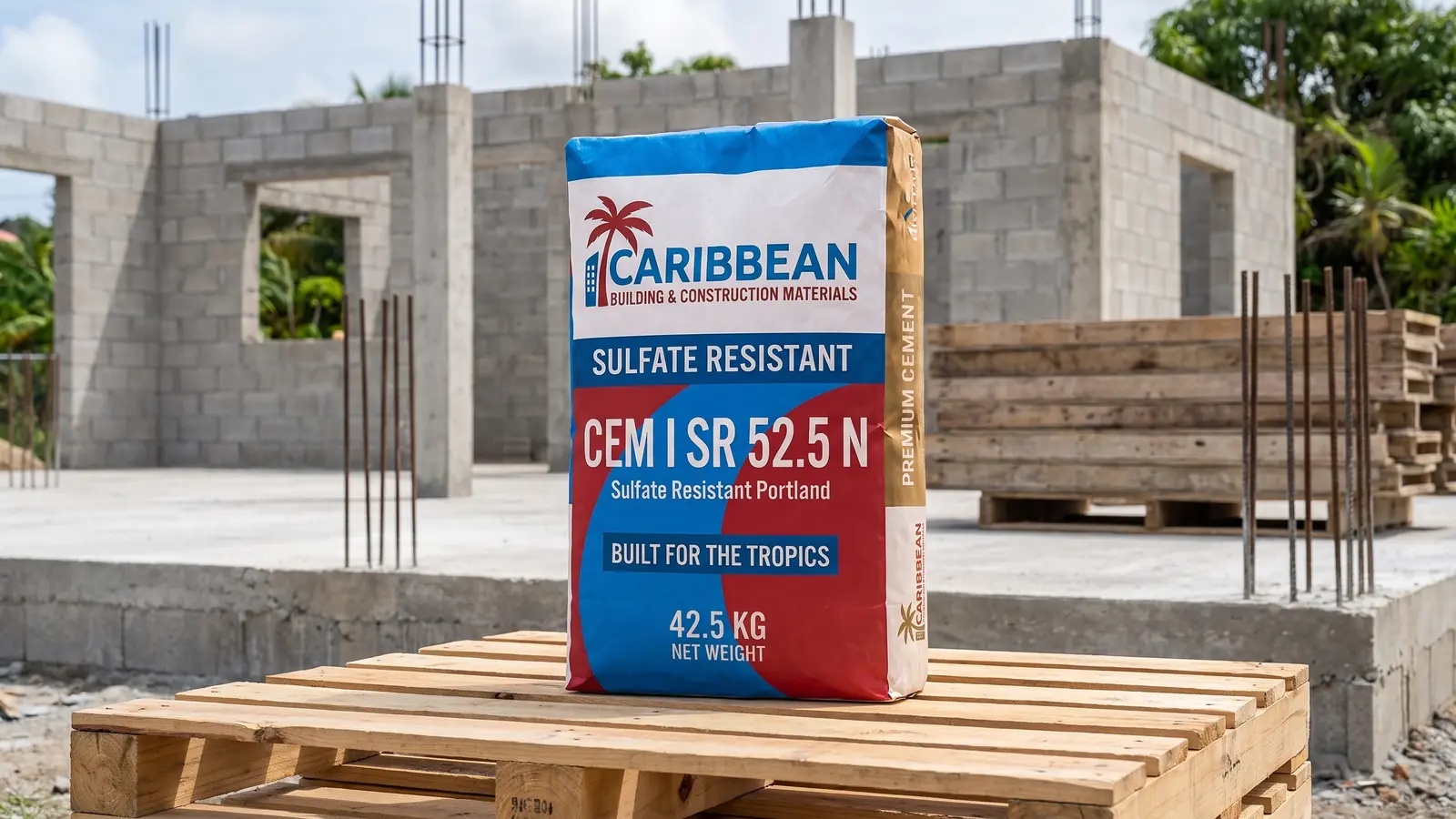
What the class can tell you
The class belongs to the cement designation under its applicable standard. Read it together with the rest of the name and the product's technical information. Early-strength behavior and other declared properties are separate parts of the comparison.
A buyer should therefore avoid reducing a product choice to “52.5 must be better than 42.5.” That skips the purpose for which the cement is being bought.
Further detail: Heidelberg Materials — Cement/GGBS test-data archive
Cement strength is not the concrete mixture
A laboratory tests cement using a defined method. Concrete has its own mixture proportions, materials, curing and tests. A cement-mortar result does not guarantee the same strength in a structural concrete element.
The concrete specification sets requirements for the finished material. The producer designs and verifies the mixture to achieve those requirements, taking account of the materials it uses.
Further detail: ASTM C109/C109M-26 public scope; NRMCA CIP 35 — Testing compressive strength of concrete
A better purchasing comparison
Ask what designation is required, when early strength is important and which other properties need evidence. Compare the exact product sheets and the complete price basis.
Distributors need the products their customers specify. Project buyers should check any change against the approved mixture. Keep the full cement designation on the order.
Common question
Will class 52.5 automatically make my concrete stronger?
The finished concrete depends on the approved mixture, materials, curing and testing. The cement class alone does not establish its strength.