
Quality & documents
Which documents should match the cement shipment?
The shipment documents should tell a consistent story about what was ordered, supplied and transported. The exact document set depends on the contract, destination and project requirements.
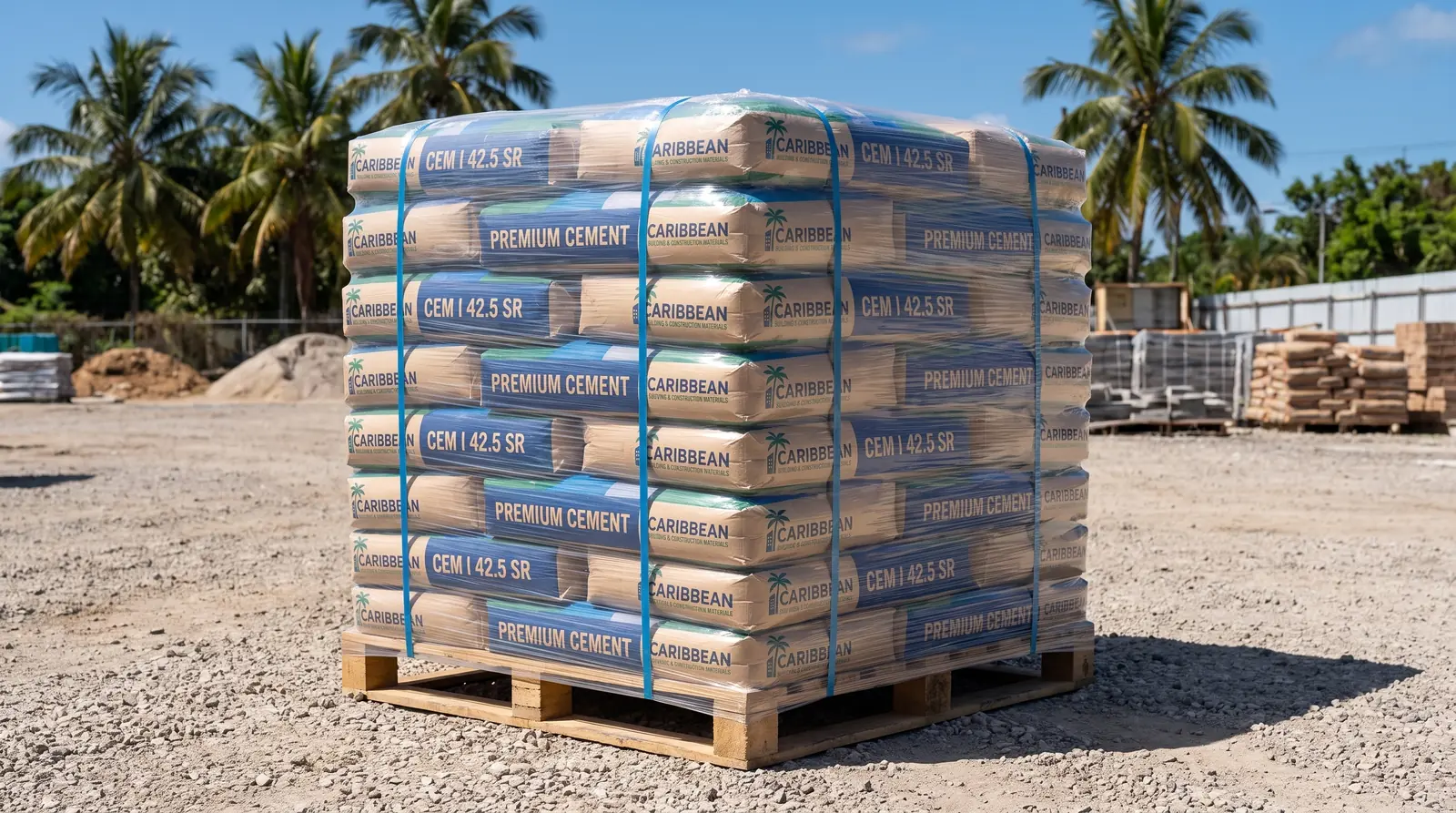
Match the product and quantity
Compare the full cement designation, packing, net quantity and relevant marks across the agreed order and shipment records. A commercial invoice, packing list and transport document have different purposes, but their identifying information should not leave unexplained contradictions.
Keep gross shipping weight separate from net cement mass. Packaging and handling materials can affect the former without changing the amount of cement purchased.
Keep quality evidence connected
Agree which product or shipment quality documents are required and how the relevant batch or production information is identified. A manufacturer's dated product report is useful evidence within its scope; it is not automatically a certificate for every later cargo.
Preserve the distinction between a technical certificate, a bill of lading and a payment confirmation. One does not replace the others.
Further detail: Heidelberg Materials — Cement/GGBS test-data archive
Confirm destination and contract requirements early
Import or project acceptance may require additional documents. Confirm the required documents with the buyer, import agent and project team before loading.
The chosen trade rule also matters to the responsibilities around supply and transport. Write the named port and Incoterms edition clearly, and keep payment milestones in the commercial terms rather than assuming FOB or CIF determines them.
Further detail: ICC — Incoterms 2020
Common question
Does a bill of lading replace a mill test certificate?
No. Transport and quality documents serve different purposes and should be checked within their own scope.