
Buying & shipping
FOB and CIF: what is included, and when does risk transfer?
FOB and CIF allocate costs and responsibilities under the agreed trade rule. They do not mean the same thing, and paying freight to a destination does not necessarily mean risk stays with the seller until arrival.
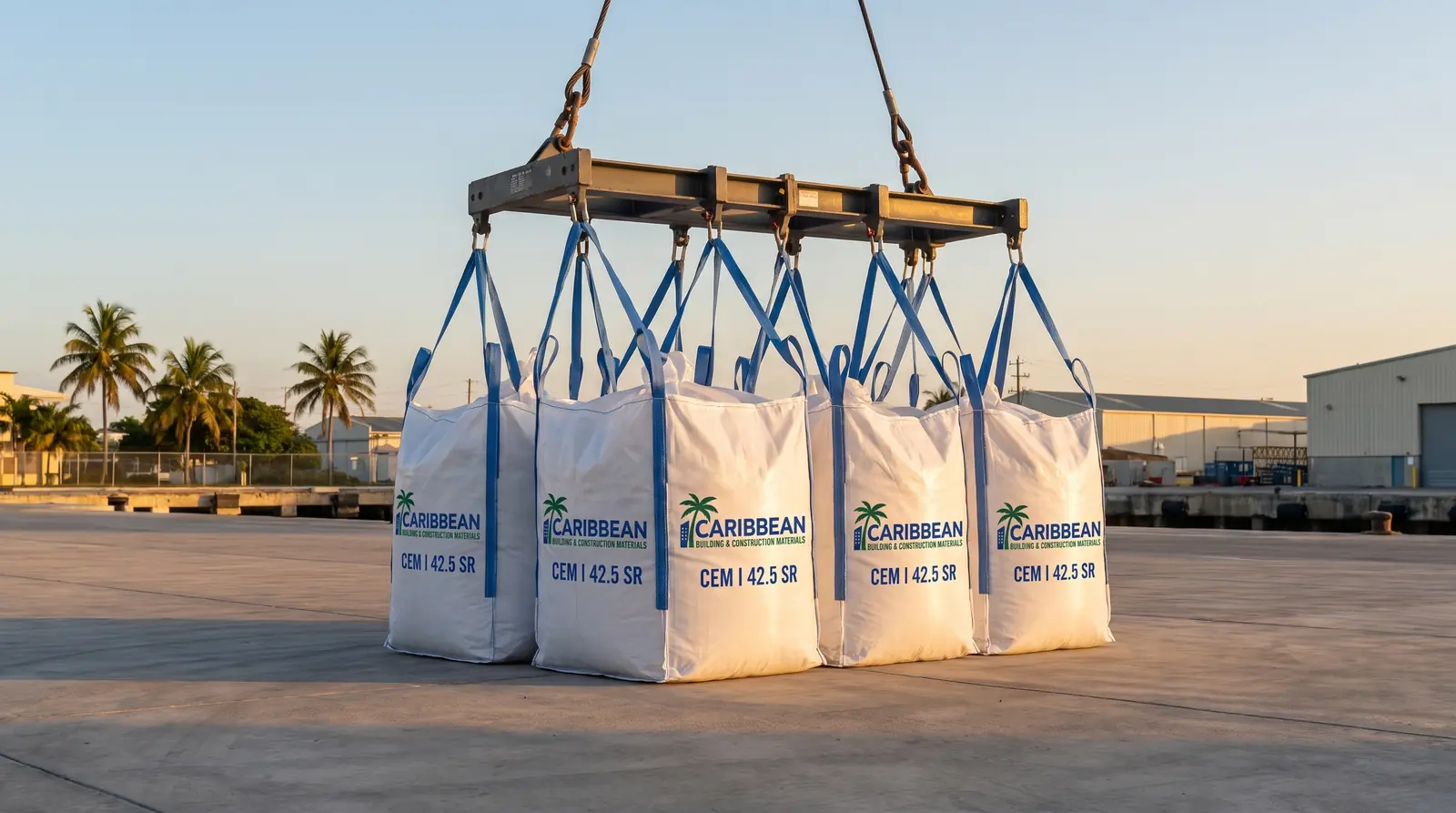
FOB: identify the shipment port
FOB means Free on Board. Under the rule, delivery and transfer of risk occur when the goods are on board the vessel at the named port of shipment. The named location matters; “FOB” without the port leaves a key part of the transaction unclear.
Our advertised bagged offer is as low as US$7.95 per 42.5 kg bag, FOB Freeport, Bahamas, including cement and bagging. Onward freight is separate. FOB supply is available under contract.
Further detail: ICC — Incoterms 2020 checklist, 2024 update
CIF: cost to destination, with a different risk point
CIF means Cost, Insurance and Freight. The seller arranges the required freight and insurance to the named destination port, while delivery/risk transfer under the rule still occurs on board at shipment. Delivery from the destination port to your yard is separate unless included in the agreed contract.
Confirm insurance scope and any additional coverage required. Also confirm unloading, import charges and inland delivery in the contract instead of assuming the three letters settle every local cost.
Further detail: ICC — Incoterms 2020; ICC — Incoterms 2020 checklist, 2024 update
Keep payment terms separate
We offer CIF for spot purchases and contracts. Our company payment milestones are 30% deposit and 70% on loading, in USD. Those milestones are commercial terms, not definitions of FOB or CIF.
For a comparable quote, use the full product, quantity, packing, named port and Incoterms edition. Then check what is included and excluded. If you want a complete receiving-cost comparison, identify the onward services and destination charges that must be priced separately.
Common question
Does CIF mean the seller carries the risk until arrival?
Under CIF, risk transfers when goods are on board at shipment, while the seller arranges freight and insurance to the named destination under the rule.