
Storage & coastal conditions
How long can cement be stored?
Cement storage life depends on the product, packaging and conditions. Follow the supplier's storage instructions, keep stock records and inspect the material before use.
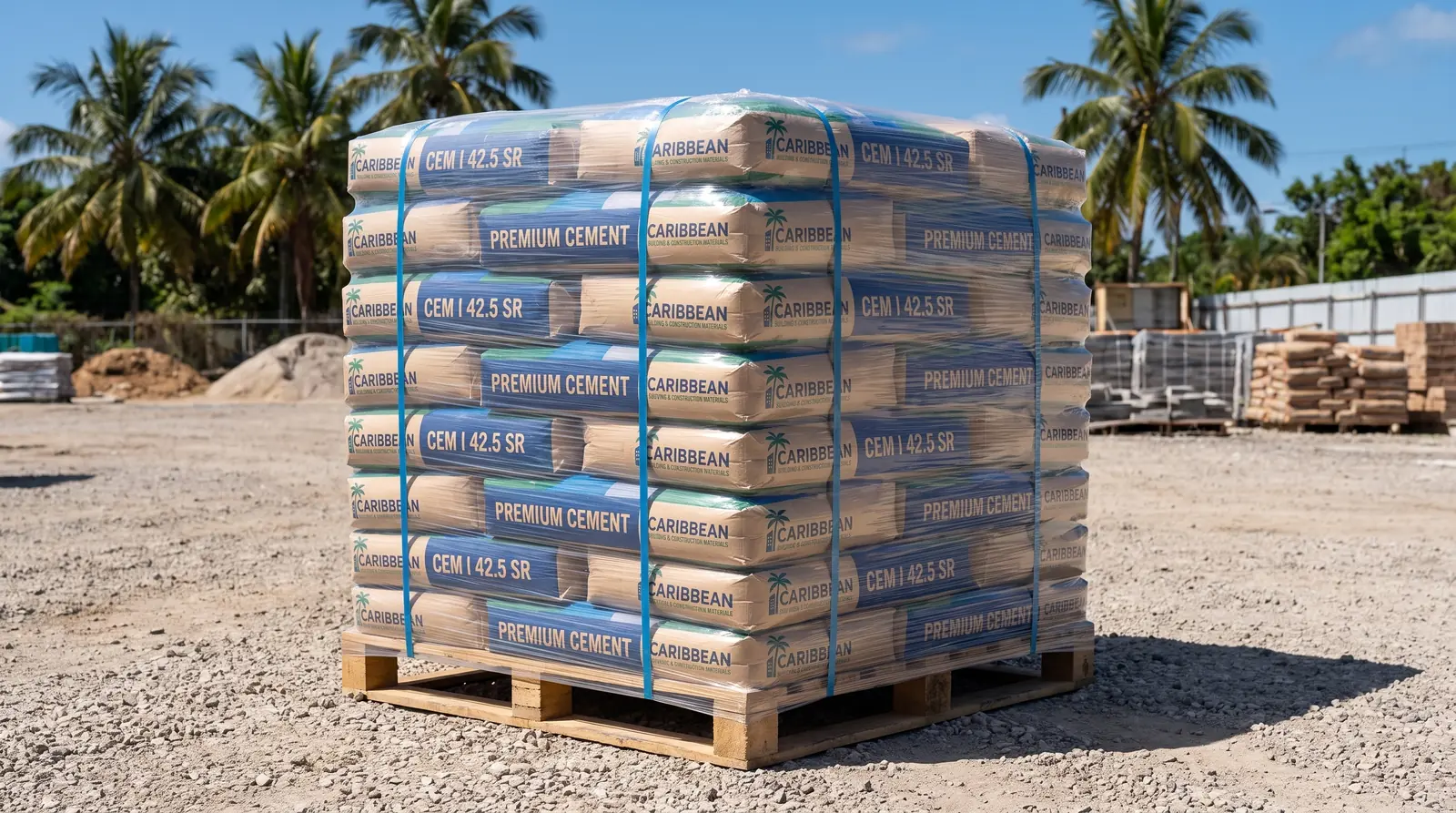
Storage conditions change the answer
Keeping cement dry is fundamental. Water entry, humidity and damaged packaging can affect its condition before it reaches the planned use date. Manufacturer storage information also depends on the supplied product.
A statement about cement held in a well-maintained bulk silo should not be copied onto bags stored in a damp yard. The packaging and storage system are different.
Further detail: Heidelberg Materials — Common Cements SDS, June 2025; Irish Cement — Bulk CEM II
Keep useful dates and identification
Record delivery dates and any manufacturing, packing or batch information supplied with the product. Retain the relevant documents so staff know which stock they are assessing.
Rotation should be deliberate. Before ordering another shipment, check the quantity on hand, its condition, expected use and the protected space available. This is especially useful for a distributor whose sales rate changes through the year.
When older stock needs attention
Contact the supplier if the storage period, condition or product instructions leave doubt. Explain where the material has been held and what it will be used for. The appropriate response may involve assessment or testing; age alone is not a complete description of the material.
Use dry storage and planned stock rotation to keep inventory in good condition. Check older stock against the product instructions before deciding when to use it or replenish it.
Common question
Is there one expiry period for every cement bag?
No. Use the actual product instructions, packaging information, storage conditions and supplier assessment.