
Mixing & curing
What do workability and slump tell you?
Workability describes how a concrete mixture can be handled, placed and finished for its intended use. Slump is a consistency measurement; it is not, on its own, a test of concrete strength.
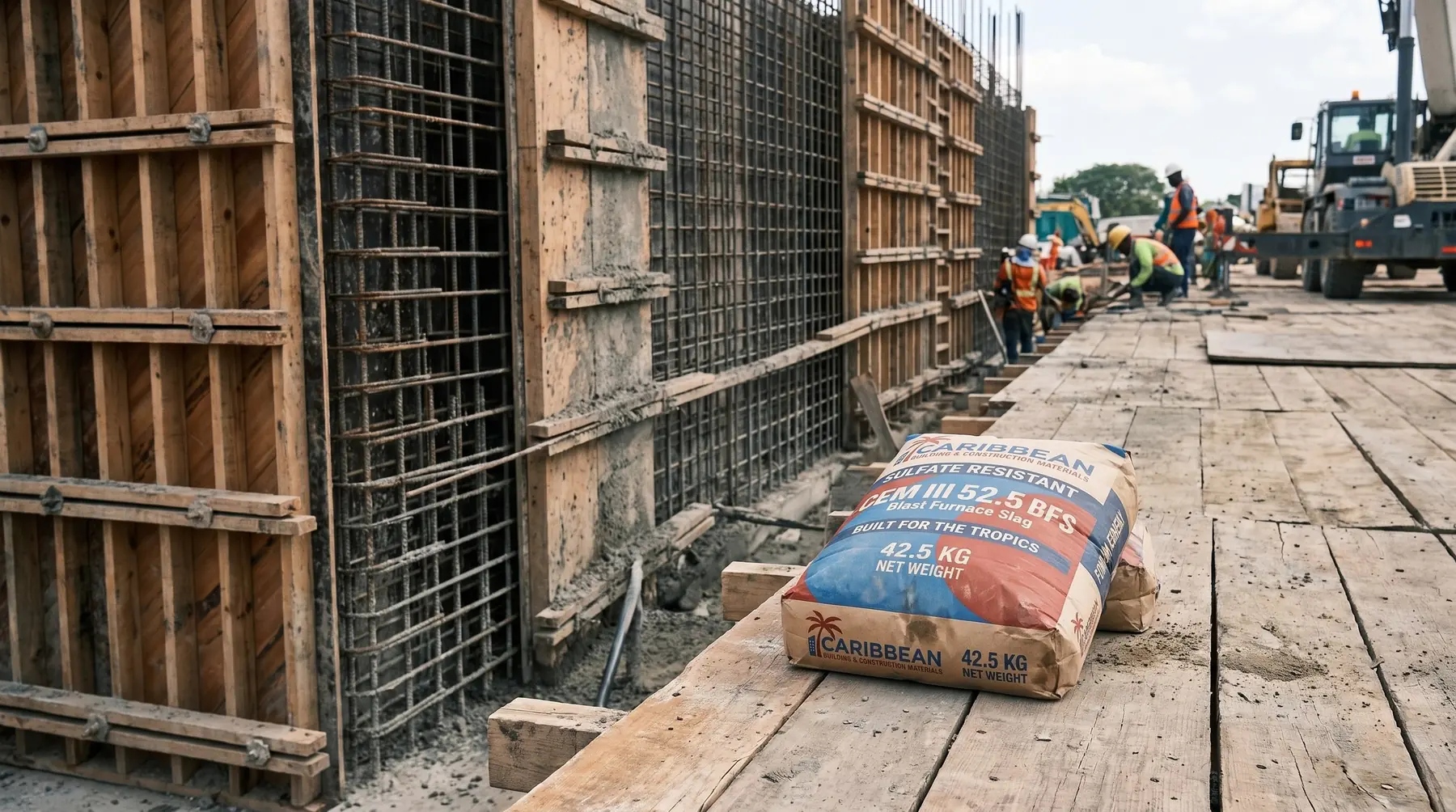
A workable mixture has a job to do
Concrete for a crowded reinforced section, a pumped placement and a simple slab may present different handling needs. Agree the placing method and fresh-concrete requirements with the producer rather than relying only on how wet a sample looks.
A workable mixture should suit the operation while still meeting the approved mixture and performance requirements. Chasing a preferred feel by adding water can upset that balance.
Further detail: NRMCA/ASCC — Fresh Concrete Expectations Checklist
What slump helps you check
A slump measurement provides information about consistency under the relevant test procedure. The specified range and how it is measured need to be understood. If a result is outside the expected range, the response should follow the agreed procedure rather than an improvised correction.
Permitted adjustment and uncontrolled excess water are not the same thing. A supplier may authorize measured changes within the mixture's limits; these must be accounted for and recorded.
Further detail: NRMCA CIP 26 — Jobsite addition of water
Strength needs its own evidence
Concrete-strength assessment uses the relevant specimens, curing conditions, test age and acceptance requirements. A mixture that looks stiff is not automatically stronger, and a mixture that flows more easily is not automatically weak.
Tell the producer where the concrete will be placed, the placing method and the required specification.
Further detail: NRMCA CIP 35 — Testing compressive strength of concrete
Common question
Does a higher slump always mean weaker concrete?
No. Slump measures consistency. The approved mixture and its actual materials and water control determine how it achieves the required performance.