
Names & specifications
ASTM and EN cement standards: can I substitute one for the other?
ASTM and EN are different specification systems. A familiar strength number or a similar ingredient does not establish that one cement can automatically replace another.
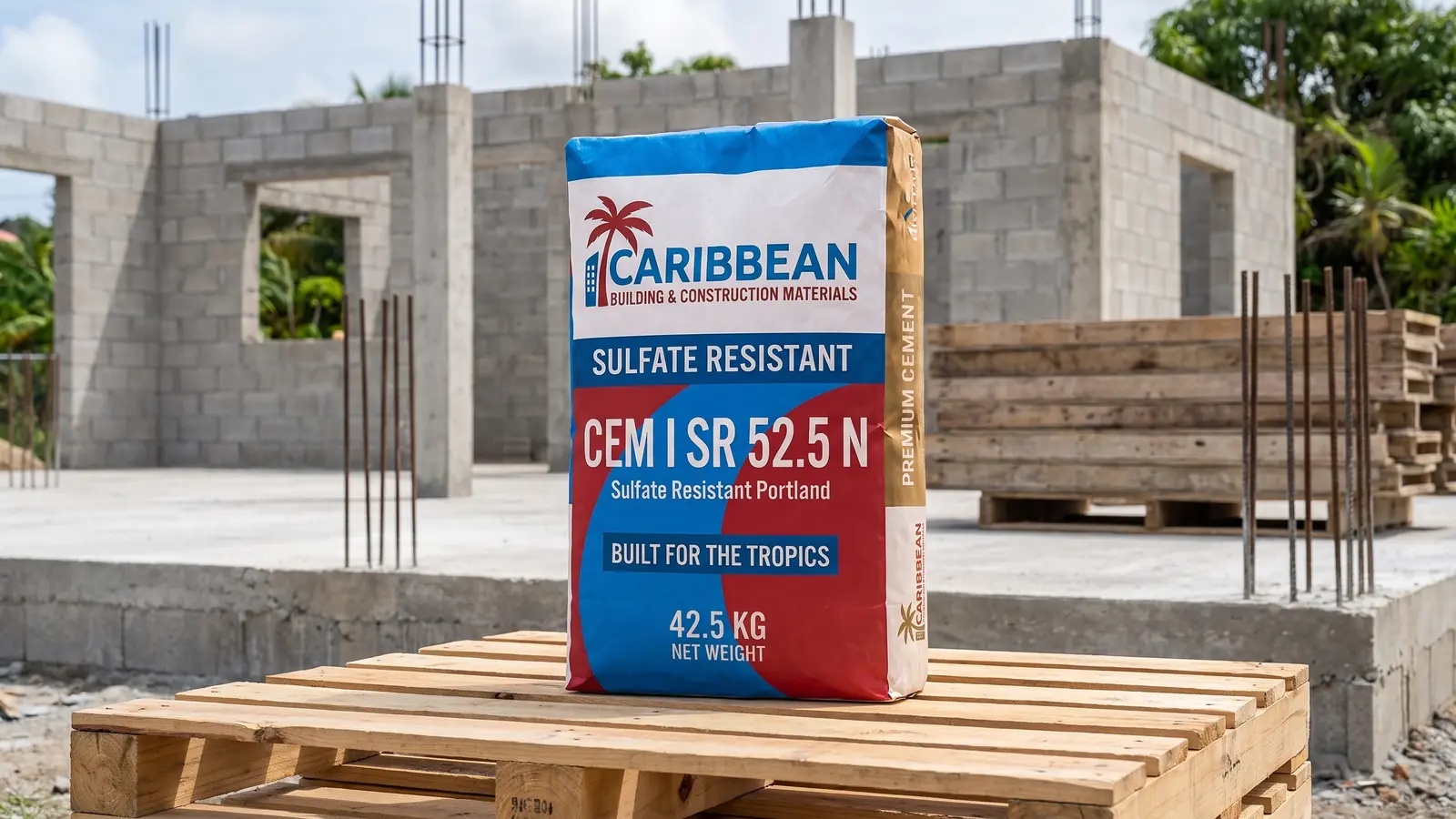
Match the named requirement
A project specification may name a particular cement standard, edition and type. The supplied product needs to be considered against that requirement. A supplier's use of an EN designation does not, by itself, establish compliance with an ASTM requirement, or vice versa.
Copy the requirement exactly into the inquiry. If the document only states “cement” or a shorthand name, ask the responsible project team to clarify what is required before placing the order.
Further detail: ASTM — Cement and concrete standards directory
Why matching numbers is not enough
Test methods, specimen preparation and classification rules matter. A measured strength result is not itself a new product designation. Converting MPa to psi changes the unit, not the test method or the applicable acceptance criteria.
For example, an ASTM cement with a reported result above 42.5 MPa should not simply be relabeled as an EN 42.5 cement. Its actual designation and supporting evidence remain the purchasing basis.
Further detail: ASTM C109/C109M-26 public scope
How to handle an alternative
Request the proposed cement's complete technical information and the evidence relevant to the required specification. Have the authorized project or destination acceptance process review it. If the concrete mixture changes, the producer should consider any necessary evaluation as well.
Common question
Does converting MPa to psi prove equivalent cement?
No. A unit conversion does not change the test method or prove compliance with another standard.