Cement basics
Cement, concrete and mortar: what are you actually buying?
Cement is one ingredient used to make concrete and mortar. A bag of cement is a dry manufactured binder; it is not a bag of ready-to-use concrete.
Three materials, three different orders
Concrete combines a cementitious binder, water, sand and coarse aggregate such as stone. The binder reacts with water and holds the aggregate together. Mortar is used for tasks such as bedding masonry or rendering; its ingredients and specified properties differ from those of structural concrete. A proprietary premixed mortar is also different from buying cement and other ingredients separately.
That distinction matters on an inquiry. “I need cement for a slab” could mean a purchase of bagged cement, a request for a concrete mixture, or an order for ready-mixed concrete. State which material you need and who will produce the finished mixture.
Further detail: American Cement Association — Cement & Concrete FAQ
Why a bag does not have one concrete yield
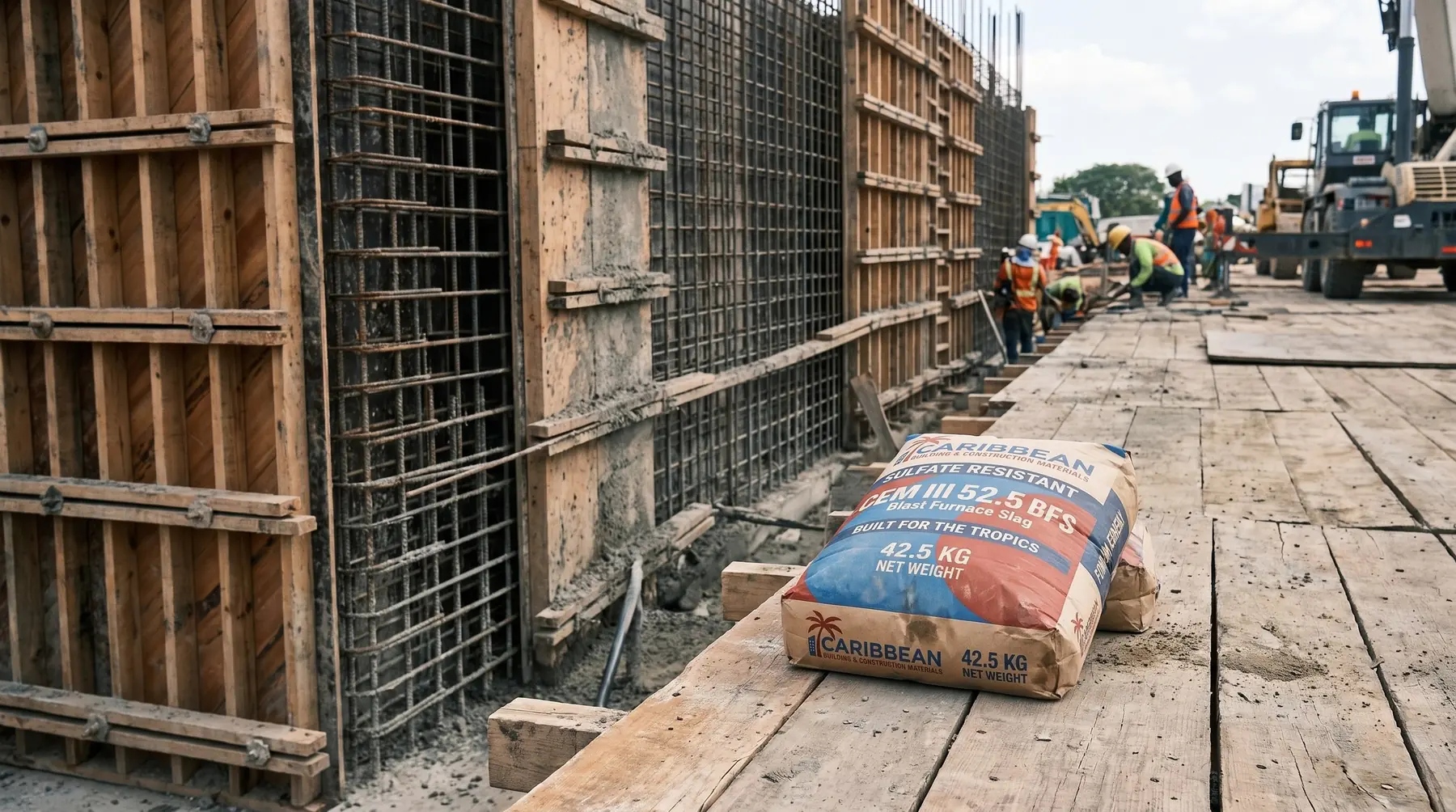
A 42.5 kg bag states the cement's net mass. Concrete yield depends on the whole mixture, including the quantities of other materials and the performance required.
For a project, obtain the approved mixture and concrete quantity first. The producer can then calculate cement demand and allow for the actual batching and supply arrangements.
What to send when asking for cement
Tell us the intended use, any cement designation or project specification, the quantity and destination. A distributor can also describe what its customers currently specify. The quotation should identify the cement and packaging clearly so the buyer knows exactly what is being supplied.
Common question
Is cement the same as ready-mixed concrete?
No. Cement is an ingredient. Ready-mixed concrete is the prepared mixture supplied for placement.