Names & specifications
How to read the full cement name on your quotation
The full cement name is a compact specification. Keeping every part of it on the inquiry, quotation and product documents helps avoid a substitution you did not intend.
Begin with the family or type
An EN name such as CEM II continues with information about the particular subtype, strength class and early-strength designation. An ASTM name such as Type IS belongs to a different naming system. Read the designation within the standard stated alongside it.
Do not assume that every name beginning with CEM II describes the same composition, or that every ASTM type beginning with I has the same meaning.
Further detail: The Concrete Society — Bagged cements; ASTM — Cement and concrete standards directory
Use one complete example
For example, CEM II/A-L 42.5 N identifies a Portland-limestone subtype, a cement strength class and normal early-strength development. Check that the same full name appears on the quotation, product sheet and supply documents.
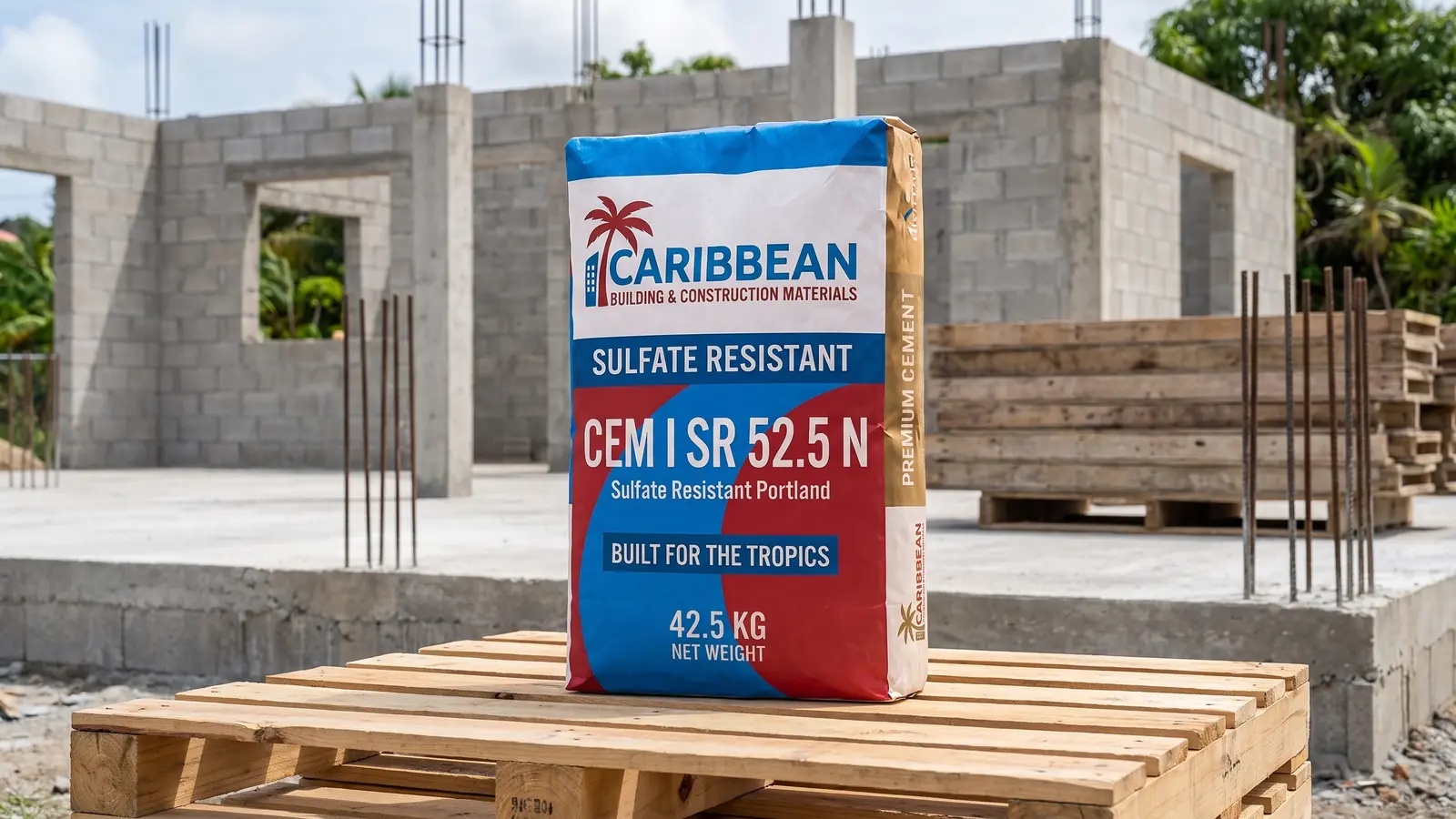
Additional properties may extend a designation. If a project asks for a sulfate-resistant category, keep that suffix in the order instead of dropping it for convenience.
Further detail: Irish Cement — Bulk CEM II
Check the same name in three places
Compare the requirement you are buying to, the supplier's quotation and the corresponding product information. At receipt, check the bag or shipping identification as well. If a letter or number differs, ask what changed before treating the products as interchangeable.
If the specification is unfamiliar, send the relevant page rather than trying to translate it into a simpler name. A clear quotation can explain the proposed product while preserving the exact designation needed for the buyer's records.
Common question
Can I leave the letters off a quotation?
Keep the full designation. Omitting a subtype or property suffix can conceal a meaningful difference.